Newark pickup, impact and app status are three facts
A Newark Penn pickup or an airport destination does not locate a later impact. Describe the place and stage you personally experienced.
| Record or recollection | What it can support | What remains separate |
|---|---|---|
| Pickup pin or driver message | Where you were asked to meet | Where the occupied car actually stood when you boarded |
| Your view of the impact | Stopped, pulling away or already traveling | Whether the app had marked the ride started at that same moment |
| Receipt or ended-trip screen | Booking details and recorded timeline | The earlier physical movement and any disputed insurance status |
If looking for a police record, identify the investigating agency first. Newark's reporting page distinguishes SR-1 for a crash not investigated by police from other online reporting. A platform ticket is not the police incident reference.
This section uses the linked official resources checked on October 13, 2026. It is an editorial comparison, not original crash data or a finding about your case.
What should you do if you were a passenger?
Call 911 if emergency help is needed. Get appropriate medical advice and tell the provider you were travelling in a rideshare vehicle. Describe the impact and your symptoms without assuming that the booking app is the correct destination for a medical bill.
Save the receipt and the driver and vehicle information available in your account. If somebody else booked the ride, ask them to keep that record. Note whether you had entered the vehicle, were still approaching it or had already stepped out when the incident happened.
Do not assume that a trip being cancelled or ended after a collision establishes the driver's earlier status. The timing needs to be investigated using the available records.
Why does the precise pickup or crash location matter in Newark?
Your receipt may show a pickup pin near Newark Penn Station or a destination elsewhere in the city. The actual collision may have happened along a different part of the journey. Be clear about which location each document describes.
If the incident occurred during pickup, explain whether the car was stopped, moving away, changing position or interacting with another vehicle. If you were entering or leaving, explain that stage of the trip. You do not need to reconstruct details you did not observe.
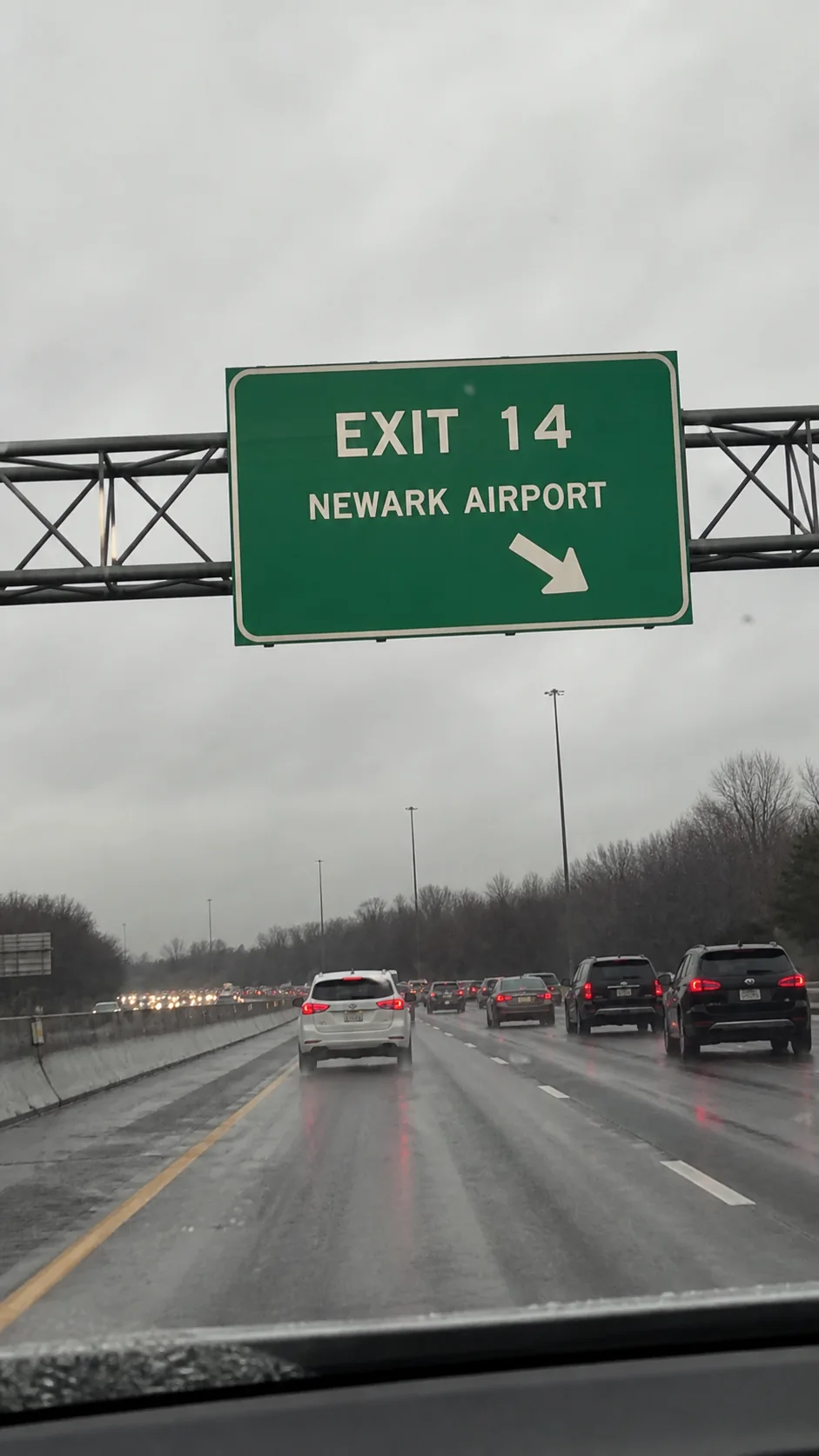
If an airport journey was involved, identify the actual crash location rather than assuming “Newark Airport trip” means it happened in Newark itself. The airport trip label describes a purpose, not necessarily the municipality or investigating agency.
For broader road context in Essex County, the NJDOT highway map can help identify corridors. It is not a source of live pickup instructions or proof of fault.
Does an active ride change the insurance question?
New Jersey regulates insurance requirements for prearranged rides, so the driver's activity is relevant to checking coverage. Keep the accepted booking, receipt and timing available, then ask which policy is being considered for the collision. An active ride does not by itself establish which driver caused contact or what payment is owed. Use statewide rideshare injury and insurance guide for the broader claim questions.
What if the driver asks you to handle it privately?
A repair payment and an injury release can address different losses. Use the settlement questions guide to identify what a proposed agreement covers. Get individual advice about terms you do not understand; no local maneuver establishes a settlement amount.
How do you deal with platform support and the insurers?
Retain the confirmation when you report the accident through the platform. Ask for the insurer and claim number if an insurance claim has been opened. A support ticket and a claim number can serve different purposes.
When another insurer contacts you, find out which vehicle or party it represents. Keep the correspondence in one place and explain to the person advising you which companies have responded. If two callers give incompatible instructions, ask for clarification rather than assuming the last instruction overrides the first.
Do not repeatedly send medical records to general support addresses without understanding the destination and purpose. Ask who needs the document, which secure route should be used and whether a lawyer is coordinating the request.
What if you were the driver rather than the passenger?
For the time and duties actually affected, use the missed-work guide. Keep your actual hours, earnings and restrictions separate from a predicted recovery period. The local vehicle movement described here does not determine whether a particular loss is payable.
What if an Uber or Lyft vehicle struck you while walking?
Explain whether you were crossing, approaching a pickup or walking past a stopped vehicle. A rideshare marker can be relevant to identifying the operation, but it does not prove the app status at the moment of impact.
You may not have a receipt or access to the driver's account. Give the investigator the plate, report reference, photographs and witness information you have. Private platform records can be requested through the appropriate process; you do not have to locate or confront another passenger yourself.
What can a lawyer consultation clarify?
A consultation can address unresolved coverage, responsibility, medical bills and a proposed release. Ask which records are needed to establish the trip timeline, who will request them and what deadlines apply.
Ask about fees, expenses and communication before committing. If you need help in another language or are visiting New Jersey, explain that early. The person reviewing the matter needs your actual circumstances, not an assumption that every Newark rider lives locally.
Advertisement: Start the New Jersey accident quiz. It opens in English. Injuries Cases Autos is not a law firm. Completing the questionnaire does not guarantee representation or any outcome.